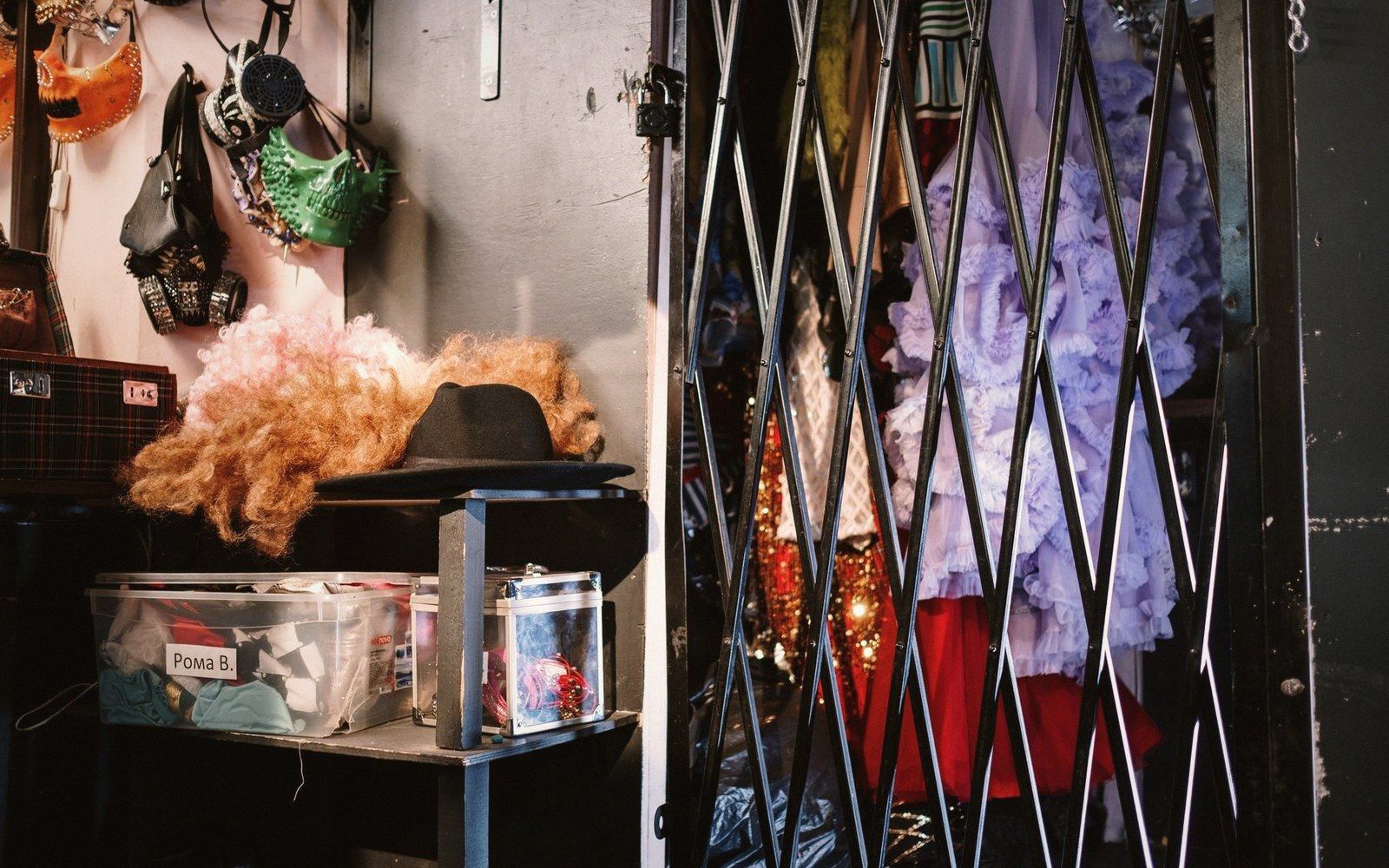
The clothes are not decorative. They are a physical argument about what a singer can and cannot do.
The Body as Instrument
A singer's sound begins in the breath. Air flows up from the diaphragm, vibrates the vocal cords, and resonates through the chest, throat, and skull. Interrupt any part of that chain and the sound changes — quieter, tighter, or simply wrong. Opera costume interrupts it constantly.
A period corset, boned and laced to historical specification, compresses the lower ribcage and redirects breath support upward, away from the diaphragm. The singer compensates by engaging the upper chest — a shallower, less stable platform for sustained legato or pianissimo control. Nineteenth-century sopranos who specialised in bel canto — the cultivated, smooth vocal line that demands maximum breath efficiency — were not singing in the corsets their characters would have worn. The costumes of the stage and the costumes of life were always negotiated, never identical.