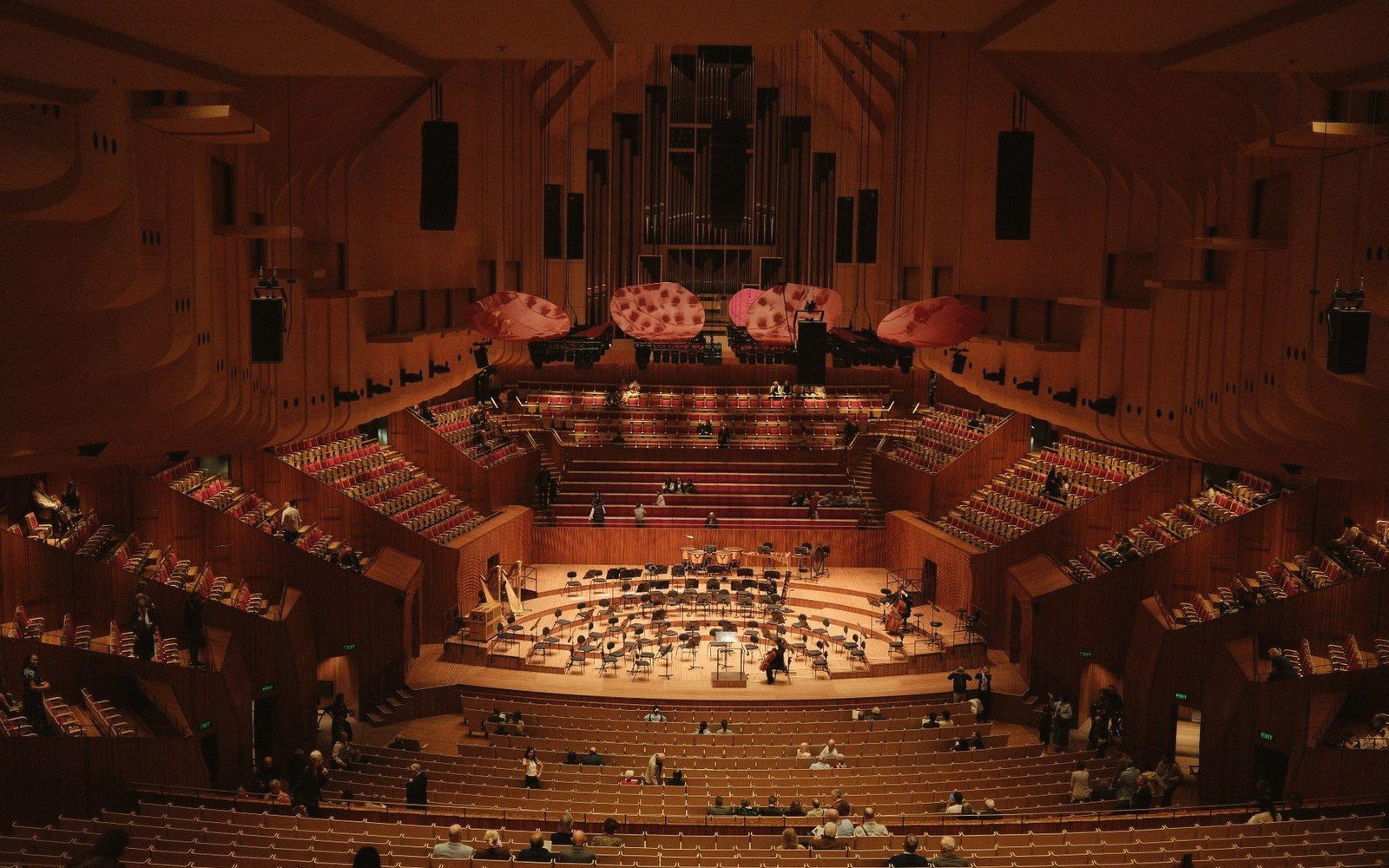
An opera house auditorium seen from the highest gallery, tiers of boxes curving below under low work light, stage curtain down
SOUNDS AND FURY An independent publication about opera

The Houses · 4 min read

From the Gods, Everything Is the Right Size

The cheapest seats in the house sit directly above the orchestra pit — and what reaches you from there is, in ways that matter, more opera than what arrives in the stalls.

Photo: Talha Resitoglu / Pexels

Five sections, twenty-three pieces

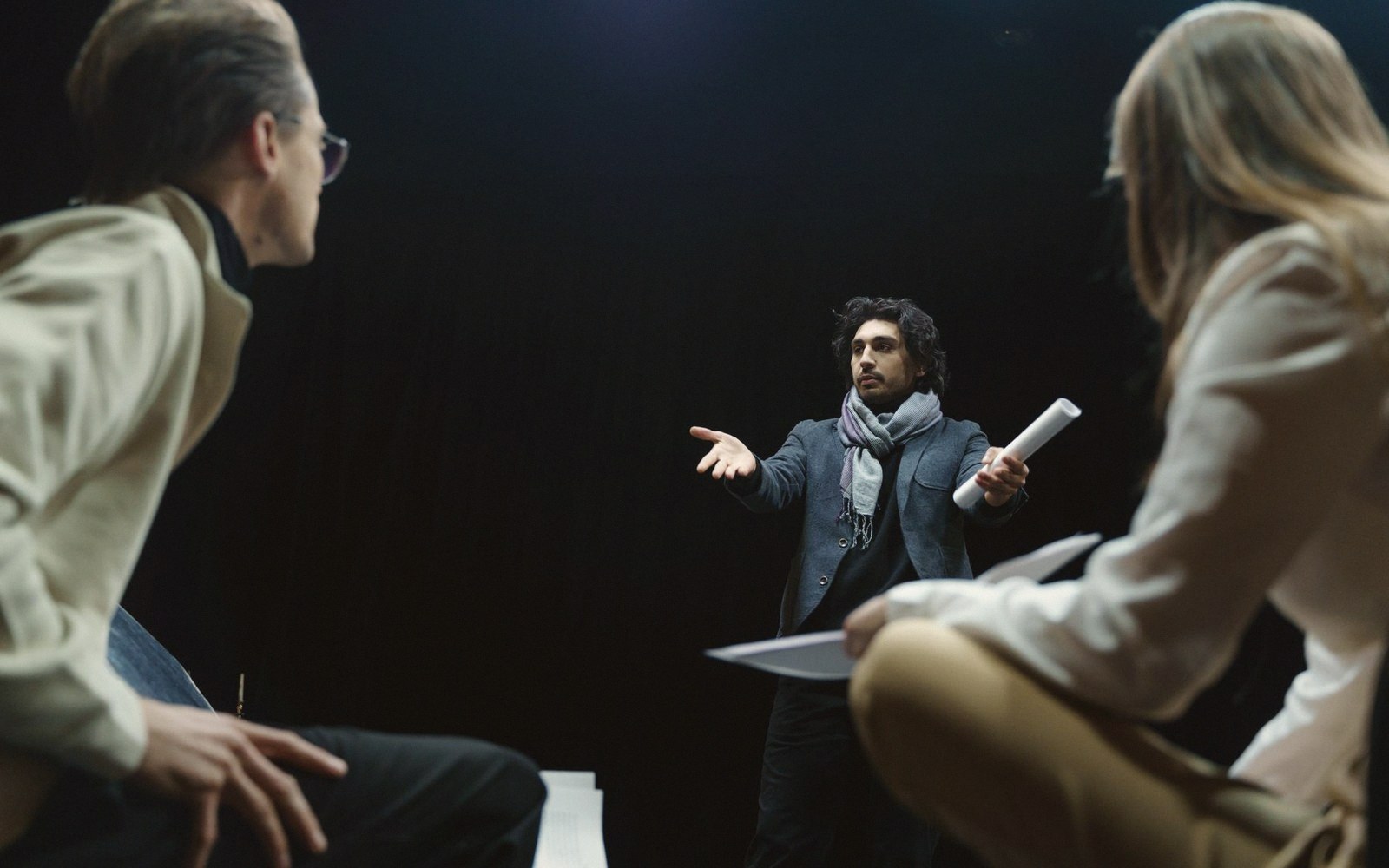
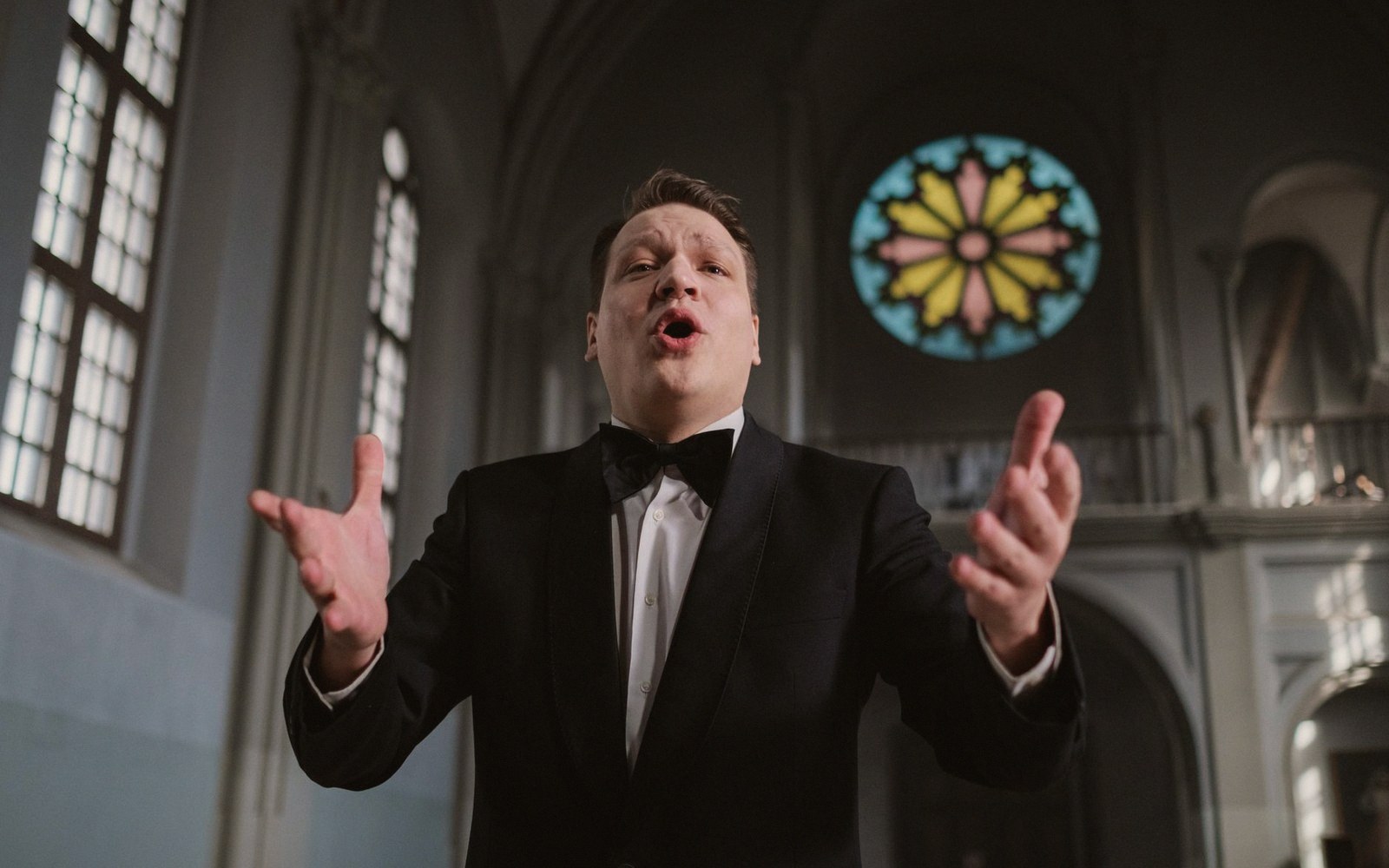
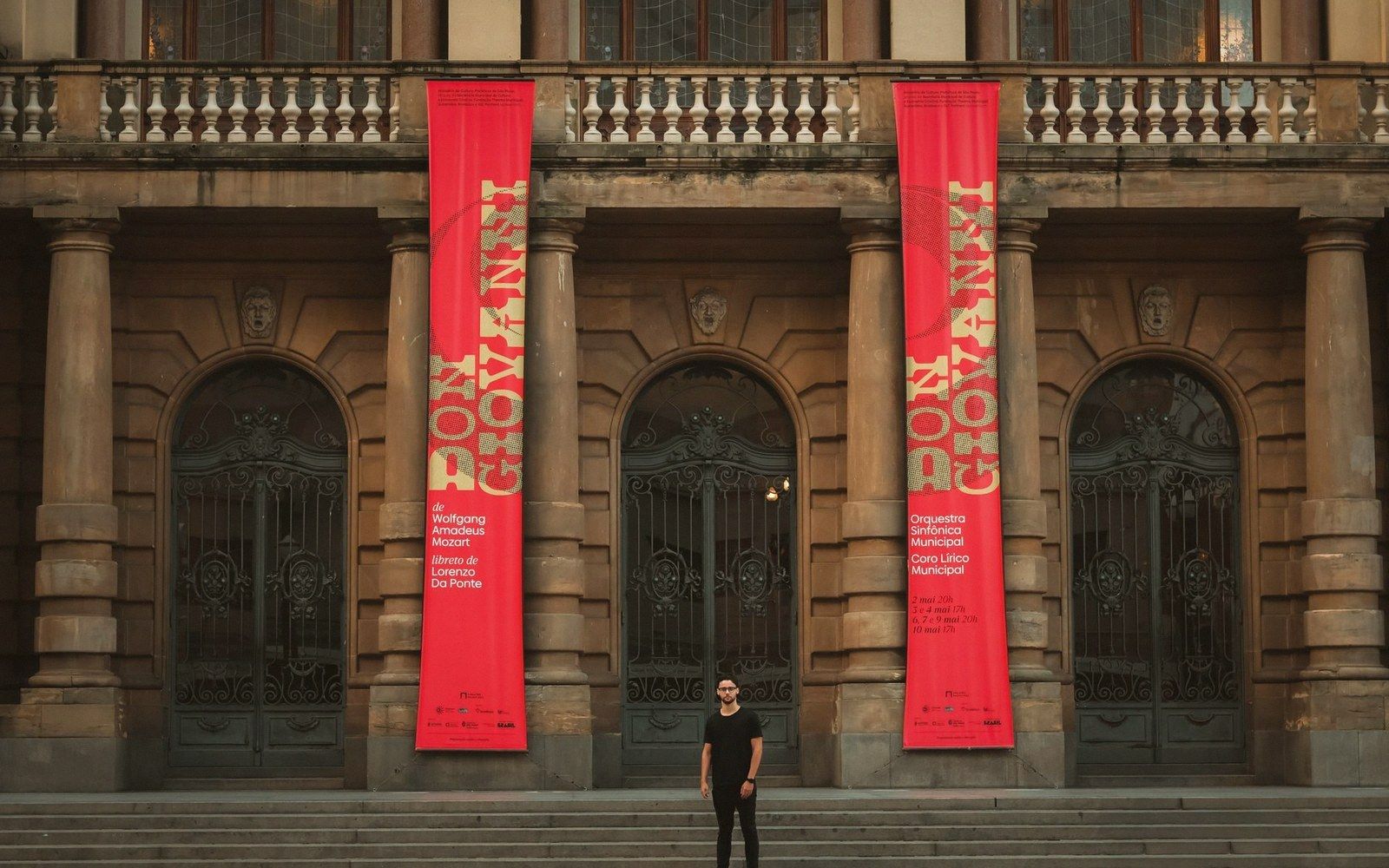
A director gestures while addressing two seated actors during a rehearsal 01 · 5 piecesThe Repertoire A singer performing, arms open, in a stone interior 02 · 5 piecesVoices A painted stage set partially struck, bare scaffolding visible at one edge, a single work light casting hard shadow across the flats 03 · 5 piecesStaging & Design Red banners advertising Don Giovanni hang between arched doorways on a theater facade 04 · 4 piecesThe Houses Rows of vinyl record albums packed tightly together on a shelf 05 · 4 piecesOn Record

The Repertoire · 7 min read

Wozzeck and the Score You Cannot Hum

The most rigidly structured opera of the twentieth century sounds, from the audience, like the world coming apart. That is the point.

The first time Wozzeck lands on you, the sensation is of music without handholds. Alban Berg's 1925 opera — three acts, fifteen scenes, roughly ninety minutes — moves through expressionist sound-worlds that seem to resist melody the way water resists a fist. You leave the theatre shaken by something you cannot quite describe, and you probably cannot hum a bar of it. This is not a failure of attention. It is the work functioning exactly as designed.

Berg was explicit about the formal plan, and what he built is almost perversely rigorous.

Continue reading

Houses we sing with.

The houses, publishers, and labels below have made opera their serious business too.

Principal

Supporting

Section backers

Everything we hold — twenty-three pieces, no dates, nothing that expires