SOUNDS AND FURY An independent publication about opera
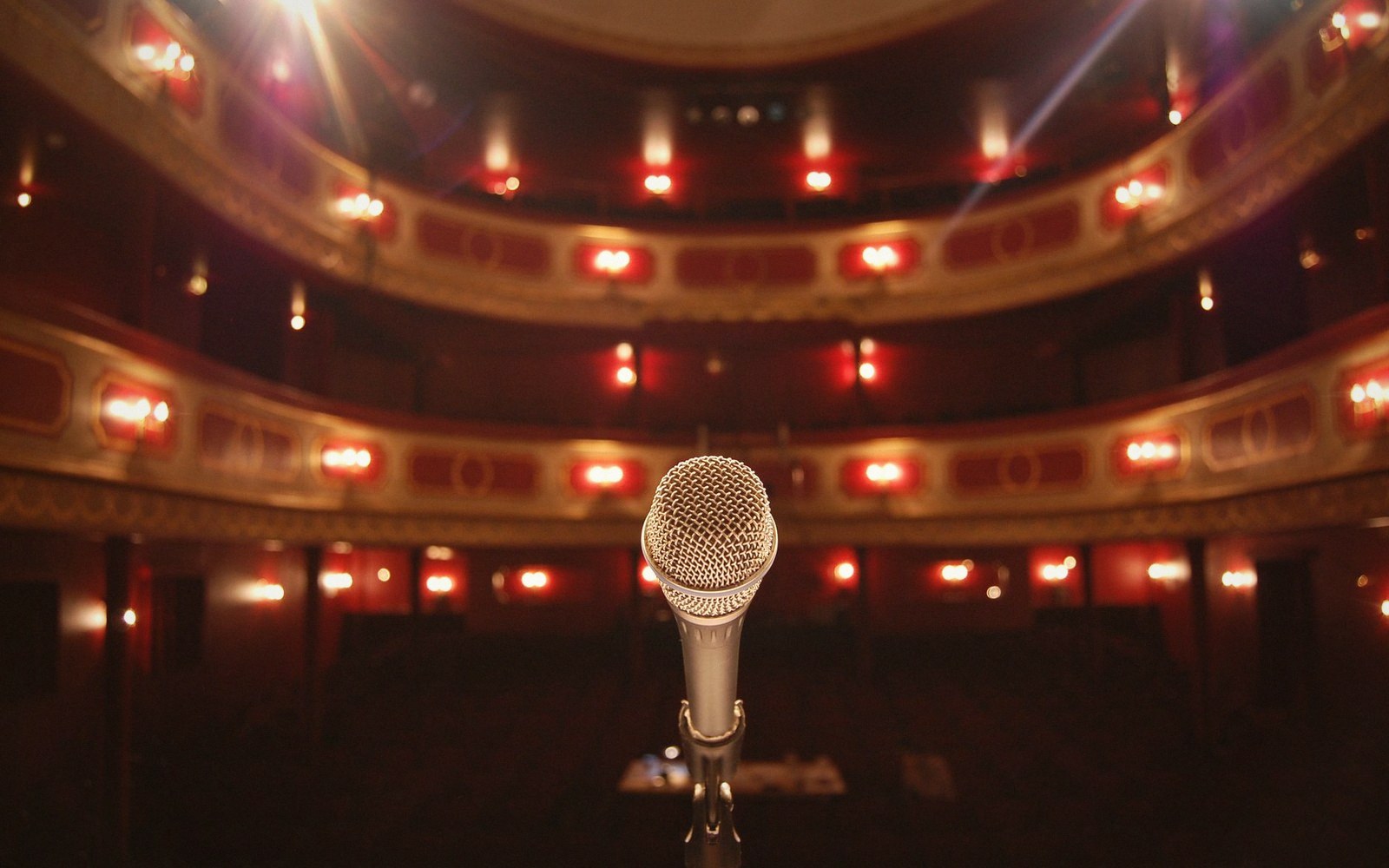
A microphone stands on stage facing empty tiered balconies of an ornate theater

Staging & Design · 2 min read

Lighting Opera: The Score Nobody Prints

Photo: A. S. / Pexels

The lighting design for a production runs to hundreds of cues timed to the bar. It shapes what you believe about every scene. Almost nobody talks about it.

The Argument You See but Don't Hear

A stage darkens by two stops during a single phrase, and you read a character's decision differently. The same staging, the same voice, the same pit — and the emotional meaning has shifted. Lighting in opera is not decoration, not atmosphere, not the thing that makes the set look nice. It is argument, written in lux and angle and color temperature, and it runs as precisely as the score.

A working lighting design for a major production can contain several hundred individual cues. Many are programmed to trigger on specific beats or bar-lines, coordinated with the conductor through a prompt score held by the stage manager, who calls the cues to the board operator. Some cues take six seconds to execute; some take six minutes; some are instantaneous. The cumulative effect is a second reading of the drama, running beneath the sung text and the music, agreeing or disagreeing with both.
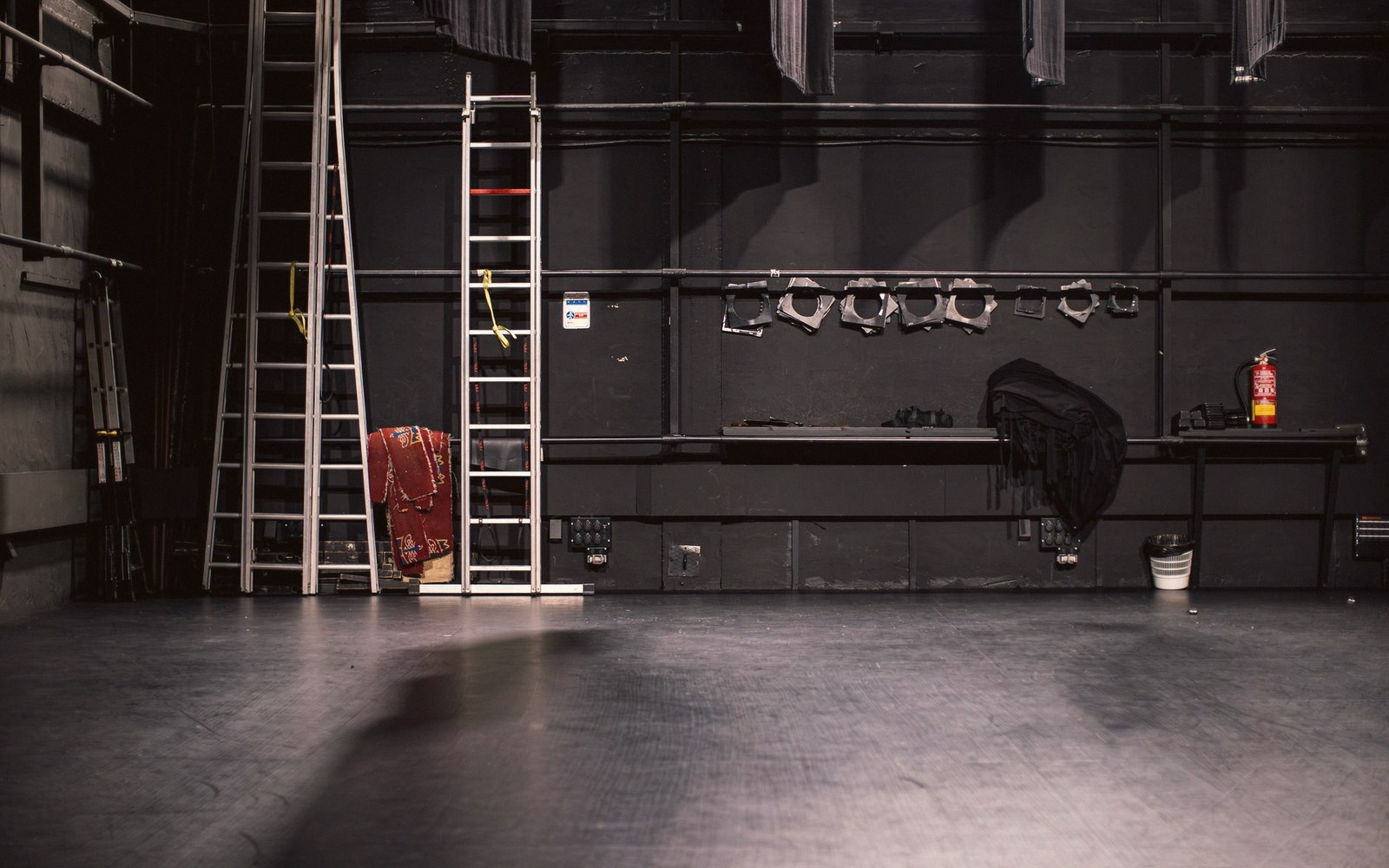
A painted stage set partially struck, bare scaffolding visible at one edge, a single work light casting hard shadow across the flats

What makes this legible to a director and designer — and nearly invisible to most audiences — is direction. Light has an angle. A figure lit from below reads as threatening or supernatural; the same figure lit from a steep overhead source reads as isolated, diminished. Side-light rakes across the face and reveals texture. Front-fill flattens. These are not atmospherics; they are statements about what the character is, at that moment, in that scene.

Color temperature does its own work. Warm sources — amber, gold — code as interior, human, domestic. Cold sources — steel, pale blue — move toward the institutional, the abstract, the dead. A director and lighting designer who disagree about what a final scene means will fight it out partly in this register, because the last look of the stage is often the last word of the production's argument.

Yet lighting designers in opera receive a fraction of the critical attention given to set and costume designers, let alone directors. Reviews may mention "striking lighting" as they might mention "a good house" — as context, not content. The reason is probably simple: a costume can be photographed and studied; a cue list cannot be experienced on the page. Light exists only in the room, in the moment, as the phrase unfolds.

This makes it the most operatic element of opera staging — time-bound, unrepeatable, and almost entirely undocumented once the production closes.

Related in Staging & Design

Filed under Staging & Design.