SOUNDS AND FURY An independent publication about opera
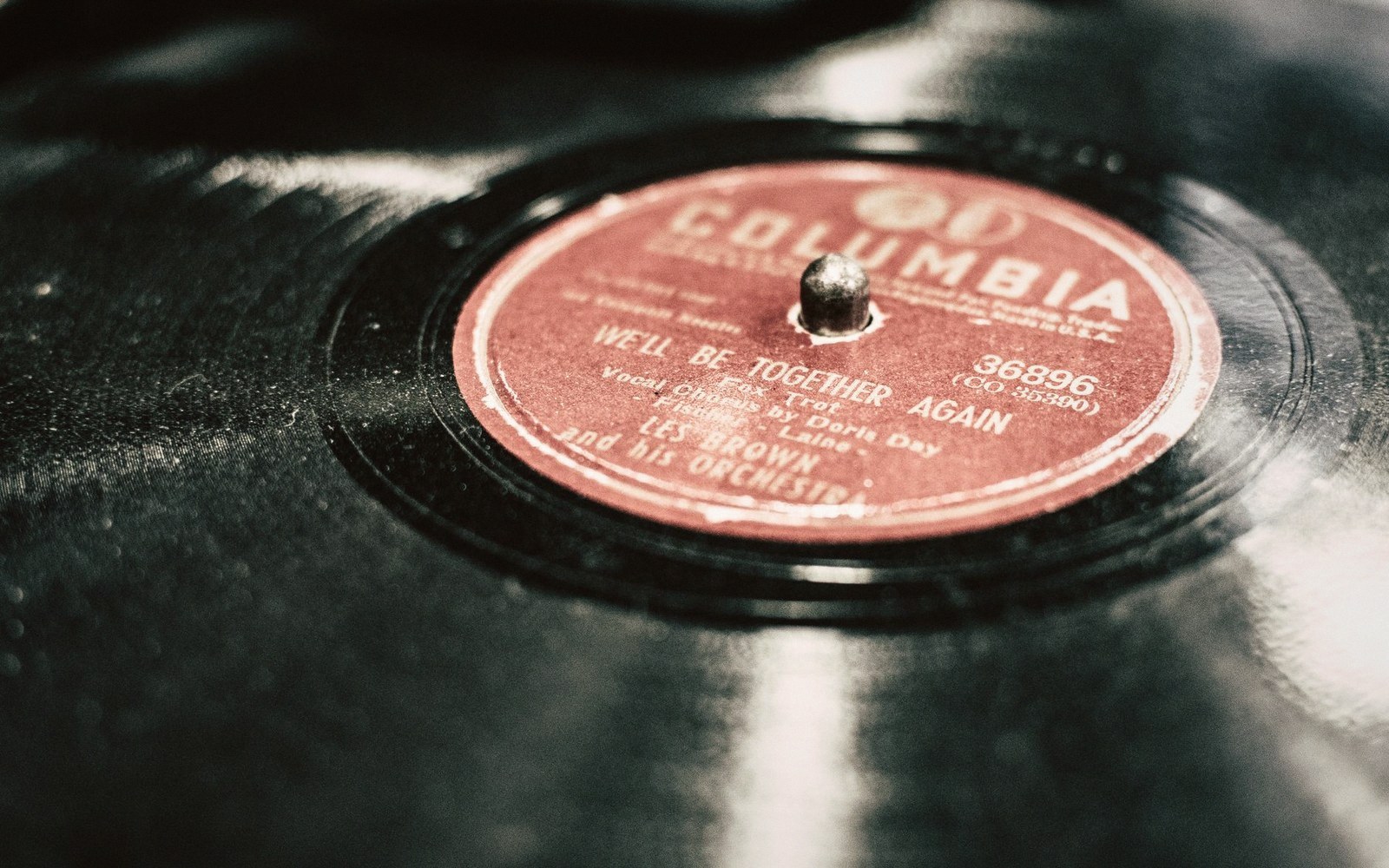
Close-up of a vinyl record spindle hole with a red Columbia label showing song and artist credits

On Record · 2 min read

Mono Era Recordings and What to Do With Them

Photo: Brett Sayles / Pexels

The sonic limitations are real. So are the performances inside them.

What you're hearing, and what you're not

Mono recordings — anything made before roughly the mid-1950s, when stereo became standard — collapse the sound into a single channel. There is no left-right spread, no sense of the orchestra surrounding the singers, no spatial depth. The frequency range is compressed at both ends: deep bass is thin, high treble can fizz. Tape noise and surface crackle are present. If you come to a 1947 Furtwängler or a 1953 Callas straight from a remastered modern recording, the first thirty seconds can feel like listening through a wall.

This is worth saying plainly, because a lot of writing about historic recordings papers over it with reverence. The limitation is real. It costs something. The question is what it costs against.
An empty orchestra pit seen from stage level, stands and chairs set but no musicians, conductor's podium unoccupied

What it costs against, in many cases, is singers who no longer exist, performing in traditions that no longer exist, under conductors whose interpretive frameworks shaped everything that came after. The early Callas recordings — Norma, Lucia, Trovatore — document a kind of dramatic coloratura that later generations largely abandoned. Furtwängler's Mozart and Verdi move in ways that modern metronomic precision has made almost inconceivable. You are not choosing between a lesser and a better document of the same performance style; you are sometimes choosing between one era's performance and another's.

The ear adjusts faster than people expect. Give a mono recording twenty minutes and the brain re-calibrates, much as it does with black-and-white film. The voices — unprocessed, close, centrally placed — can sound startlingly present once you stop waiting for the room. Good remastering by labels such as EMI's Great Recordings of the Century series or the Naxos Historical imprint removes surface noise without smearing the voice, and makes the accommodation easier.

The practical rule: use good headphones or decent speakers. A cheap Bluetooth speaker in a noisy room makes mono recordings nearly unlistenable. The same recording through headphones in a quiet one can be revelatory.

Related in On Record

Filed under On Record.