SOUNDS AND FURY An independent publication about opera
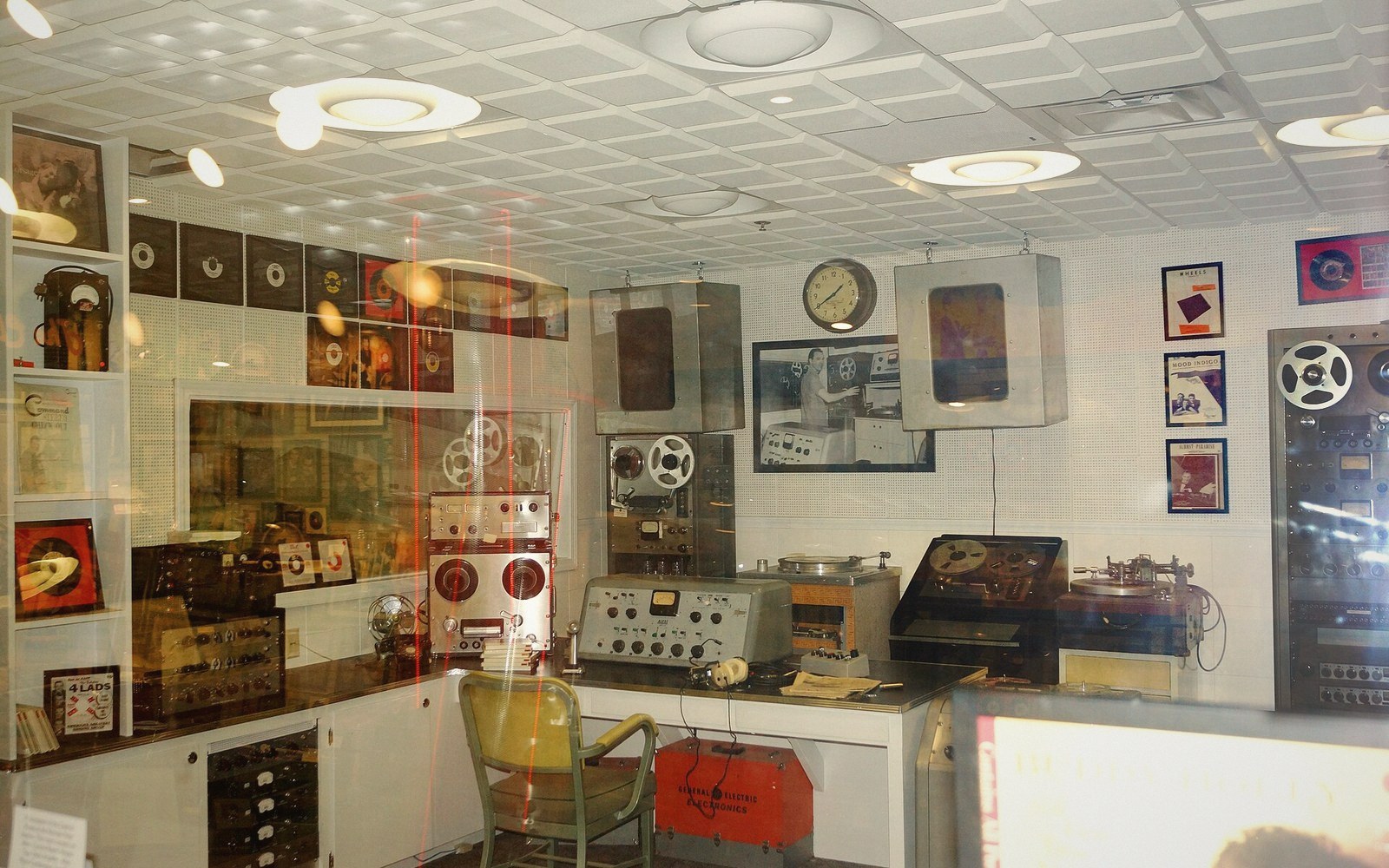
Vintage recording studio display with reel-to-reel tape machines, speakers and old records on shelves

On Record · 2 min read

Live or Studio: What Each Recording Actually Is

Photo: Norman Petty Studio, exhibited at the Norman & Vi Petty Rock & Roll Museum, Clovis, NM (Greg Gjerdingen, 2017) · Wikimedia Commons

A studio recording and a live recording are different documents of different events — confusing them produces confused listening.

Two Objects, Not Two Versions

A studio recording is a construction. Singers perform in short takes, sometimes a phrase at a time; the conductor may re-record an orchestral passage months after the vocal sessions; the final sound is assembled in an editing suite. What you hear has never existed in real time, in that room, in that sequence. It is the best achievable version of the work, engineered toward an ideal.

A live recording is a document. It captures a specific performance on a specific night, with whatever went right and whatever went wrong — a wavering high note, a prompt-box creak, an audience cough at the worst possible bar. Nothing has been assembled; the sequence is the sequence; the singers were tired or inspired or both. What you hear actually happened.

This distinction matters because the two objects answer different questions. A studio recording answers: what does this opera sound like when every decision has been optimised? A live recording answers: what did this performance feel like when the stakes were real?
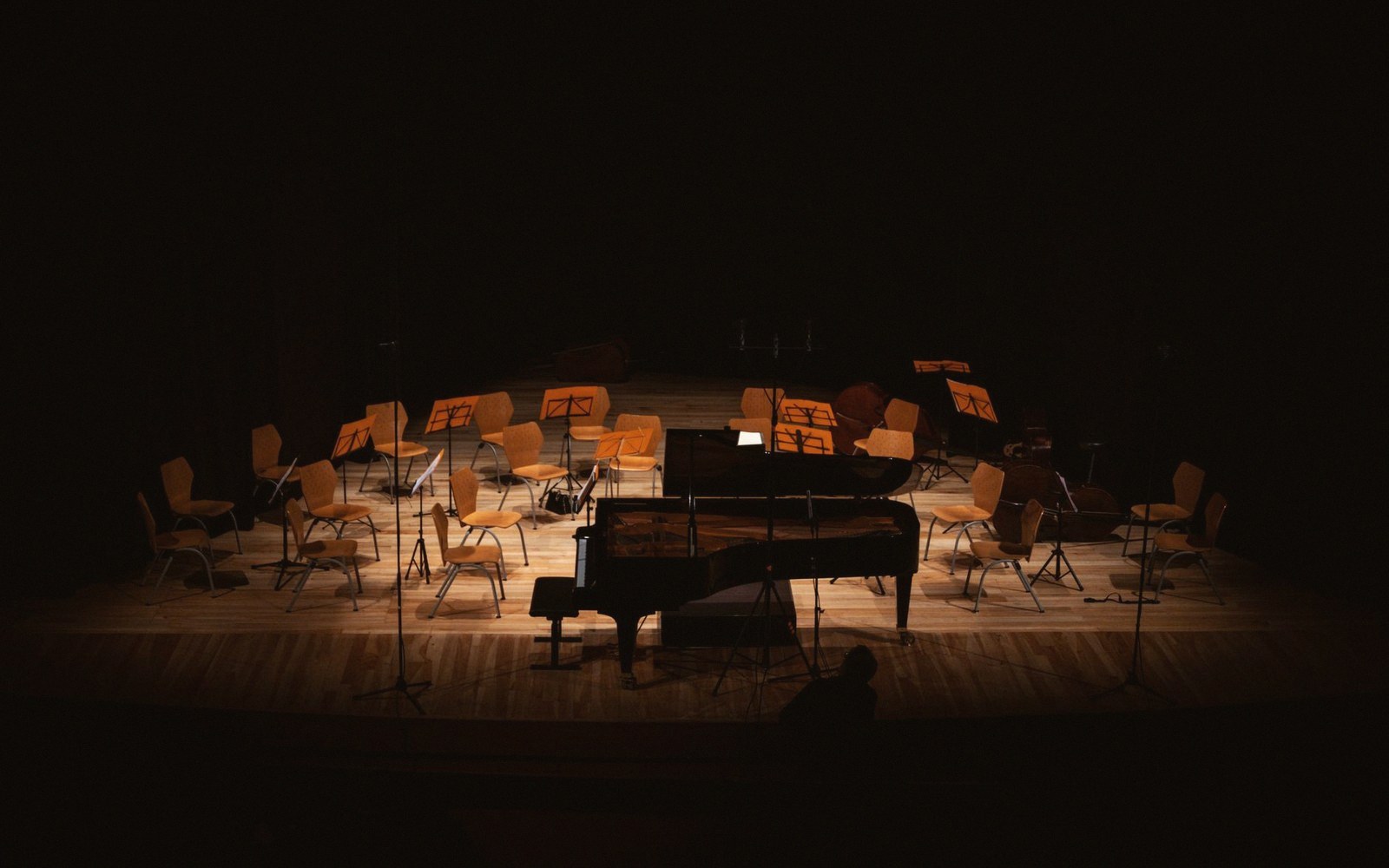
An empty orchestra pit seen from stage level, stands and chairs set but no musicians, conductor's podium unoccupied

Neither answer is superior. Both are genuinely useful — as long as you know which question you are asking.

What Each Type Cannot Tell You

The studio recording's weakness is the thing it hides: the cost of construction. A soprano whose studio sound is seamless may struggle to sustain that line across a full evening in a large house. The edited recording has no fatigue, no acoustical competition from the hall, no adrenaline and no failure of nerve. It is a document of possibility, not probability.

The live recording's weakness runs the other direction. A performance caught on a famous night — a singer at the peak of their powers, a house in extraordinary rapport — can misrepresent what that production sounded like on any other evening. The celebrated 1950s Callas broadcasts that shaped listener expectations for entire roles were exceptional even by her standards. To hear one is to hear an outlier, not a norm.

There is also the matter of sound. Live recordings, especially older ones from acetate or tape sources, carry noise, balance problems and acoustic inconsistency that have nothing to do with the performance. Evaluating a singer's technique from a badly placed microphone is like judging a painting from a poor photograph.

The practical conclusion is simple: use studio recordings to learn a work's architecture and a singer's fundamental approach; use live recordings to understand how that approach holds up under pressure. Read them together and neither misleads you. Read only one and you have half the picture.

Related in On Record

Filed under On Record.