The cheapest seats in the house sit at the very top of the auditorium — and what reaches you from there is, in ways that matter, more opera than what arrives in the stalls.
What height does to sound
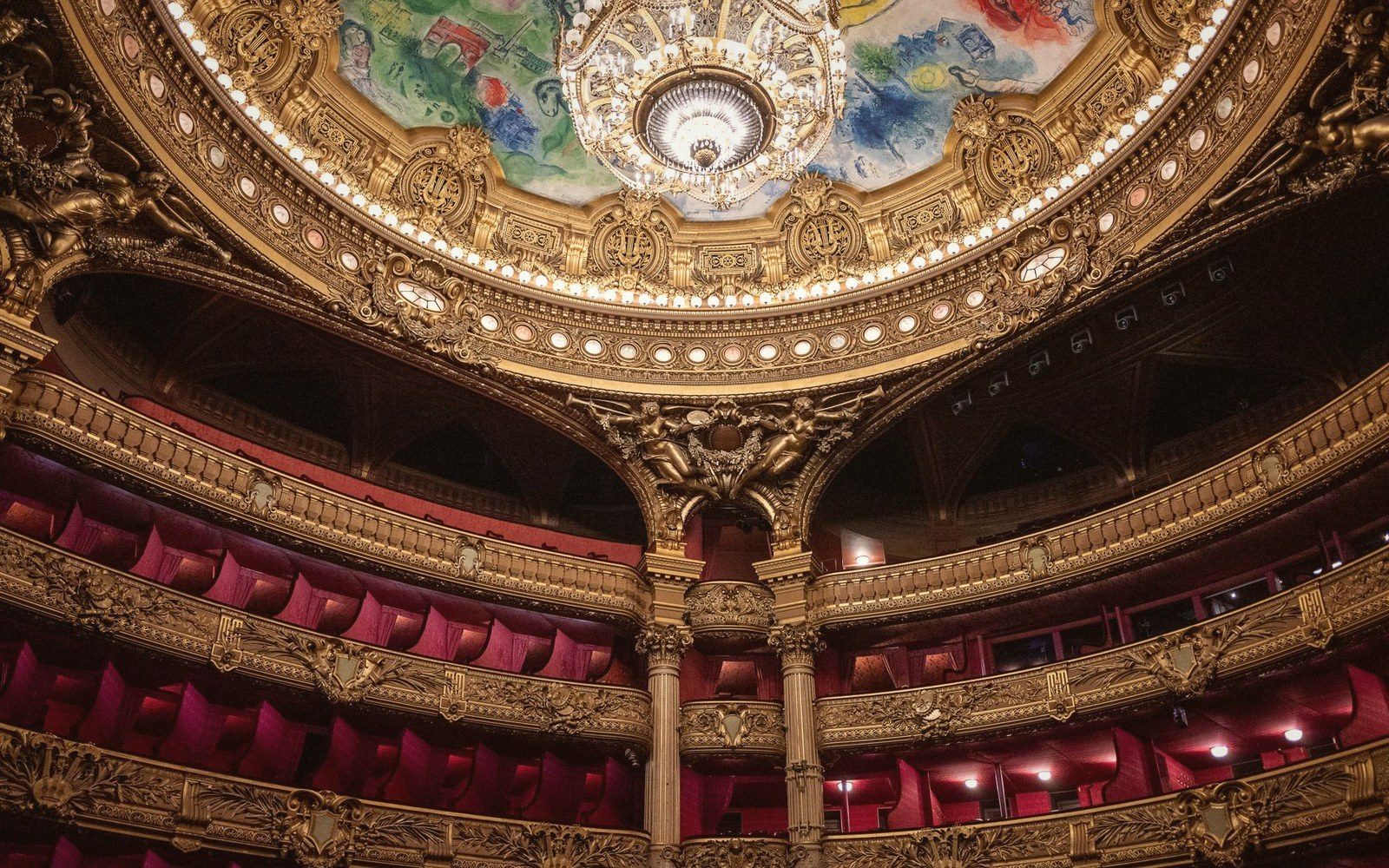
A seat in the gods — the uppermost gallery, called the loggione (upper gallery) in Italian houses, the poulailler (the henhouse) in French ones — costs a fraction of a stalls ticket and requires a climb that leaves you slightly breathless before the curtain opens. The conventional wisdom is that you are making a sacrifice: distance, steep sightlines, the backs of singers' heads at certain moments. The conventional wisdom underestimates what you are gaining.
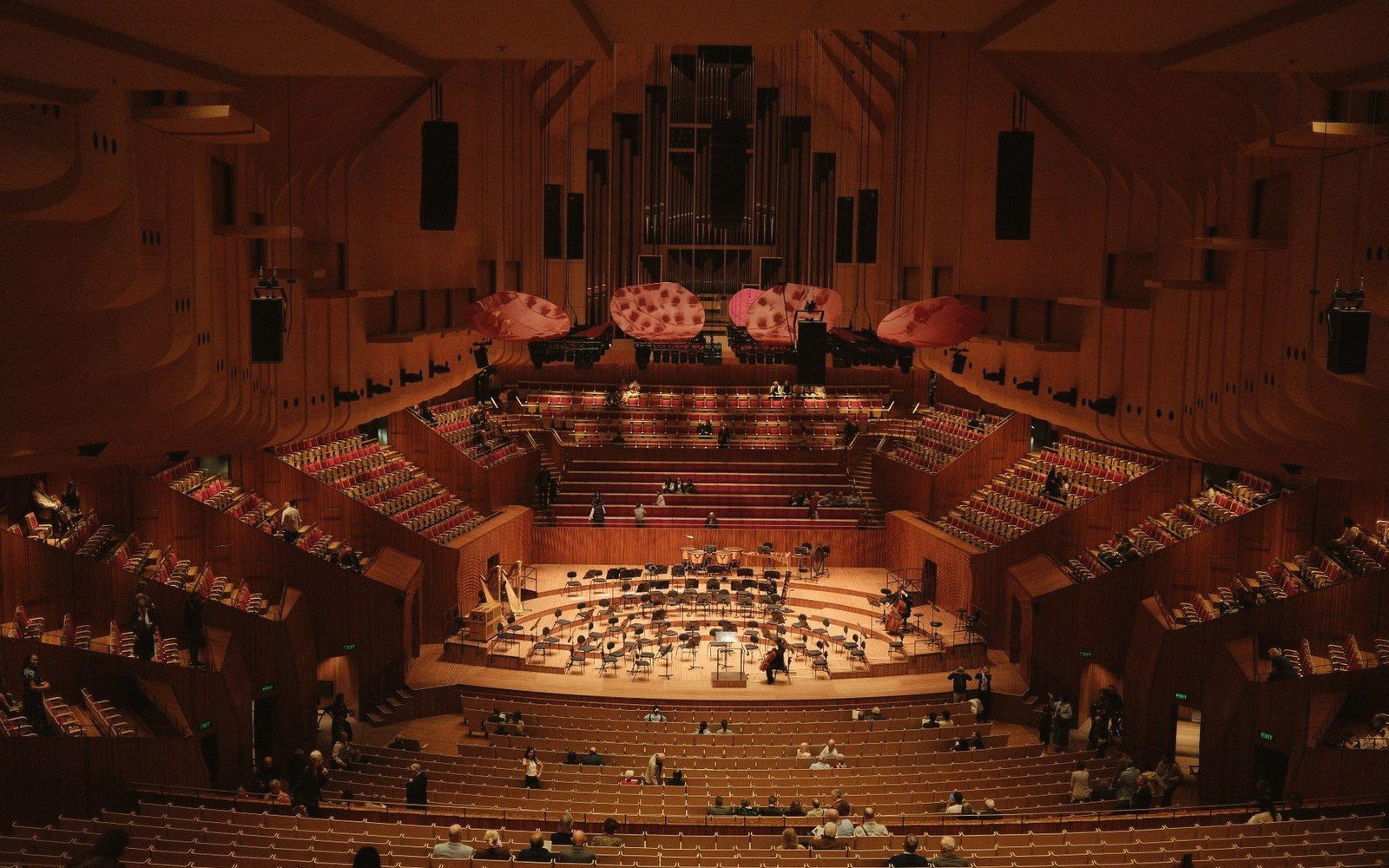
Sound in an opera house does not travel in straight lines. It disperses, reflects off surfaces, loses and acquires colour at every bounce. The acoustic of a traditional horseshoe house — La Scala, the Vienna Staatsoper, the Royal Opera House at Covent Garden — is designed to push sound upward and outward, toward those rear and upper tiers, not downward into the stalls. A voice thrown to the back of the hall must travel through air, and that travel costs the singer something and gives the listener something back: the sense of effort, of projection, of a human instrument working at its full range. In the stalls directly below a box-set staging, the sound can be partially absorbed by the set itself, by the bodies filling the seats around you, by the carpeting and upholstery that deaden reflections. Up in the gods, you receive sound that has already done its architectural work: it arrives fuller, more blended, more itself.
This is not the same as saying the gods are louder. They are not, always. What they offer is a different relationship between the voice and the room — a relationship in which the room has finished doing what it does before the sound reaches your ears.
The perceptual argument
There is something else, harder to quantify, that changes when you sit high. The orchestra, seen from the gods, is a contained thing: you look down into the pit and the ensemble is legible as a whole, the relationship between sections visible. The stage is similarly compressed — not smaller in any distracting way, but proportioned, so that the human figure is still clearly a human figure and the scenic architecture reads at a glance. From the middle stalls, a large production can overwhelm the eye with detail; from above, the geometry of a staging asserts itself, and you understand in a single look what a director has arranged for you. This is why the gods-dweller often talks about seeing an opera with unusual clarity — it is not metaphor.
The listening changes too, because you are not distracted by the same things. In expensive seats, a great deal of social performance is occurring around you: interval drinks to consider, programs to rustle, the awareness of how you are seen. The gods have historically been occupied by people who came specifically to listen. The loggionisti of La Scala — the famously demanding audience in the upper gallery — arrived with scores, with opinions built across seasons, with the patience to make comparisons. They were and are the most concentrated listeners in the house, which is why their approval has always meant more than applause from below, and why their displeasure, when it came, was the kind a singer did not forget.
The standing gallery at the Vienna Staatsoper, the queue that begins forming hours before curtain on the street outside, produces a similar culture: people who have earned their place by waiting, who know what they have come for, who bring nothing but their attention. Standing concentrates you; you cannot drift into comfort.
What you are actually missing
The honest account requires saying what the gods do not give you. Facial expression is largely gone — you read the body, which is often more telling anyway, but a singer's face at the culmination of an aria is an experience in itself, and you will not have it at that distance. Diction can suffer at extreme height, particularly in recitative (the speech-like sung dialogue that moves a plot forward), where clarity of consonant matters most. Some productions — those built low and horizontal, designed entirely for the camera or for mid-stalls perspective — genuinely do not read from above.
The conventional wisdom is that you are making a sacrifice: distance, steep sightlines, the backs of singers' heads at certain moments.
But the acoustics almost never let you down. The great opera houses were built for voices, and the builders knew that the voice would have to reach everywhere. The places it reaches best are usually the places no one is fighting over.
There is a useful discipline in sitting where the seat costs little. You stop performing your attendance at opera and start attending to it. The music is louder in the sense that it is all there is. The stage is the right size because it is where it belongs — in front of you, below you, doing its work while you do yours.