
SOUNDS AND FURY An independent publication about opera
Semperoper opera house in Dresden, with a snow-dusted square in front

Voices · 2 min read

The Fach System and Why It Exists

Photo: Vish Pix / Pexels

Thirty categories that protect voices — and occasionally trap them

The logic of the cage

German opera houses developed the Fach (literally "compartment" or "drawer") system to solve a practical administrative problem: how do you cast a thirty-role season without destroying your singers? A house with a permanent ensemble needs to know, before contracts are signed, which voices can carry which repertoire without breaking down mid-season. The roughly thirty Fach categories — running from lyric coloratura soprano through the various dramatic gradations to the heaviest bass — are the answer. Each category maps, with reasonable accuracy, onto a set of roles requiring a particular weight, range, and tonal colour.

The system protects in real ways. A young soprano placed in the leggiero Fach (light, agile voices suited to Baroque and early Classical roles) is protected from being pressed into Puccini before her instrument can carry it. Weight added to a voice too early rarely reverses. The Fach functions as institutional memory of what has previously broken singers — a kind of accumulated damage-prevention encoded into contract language.
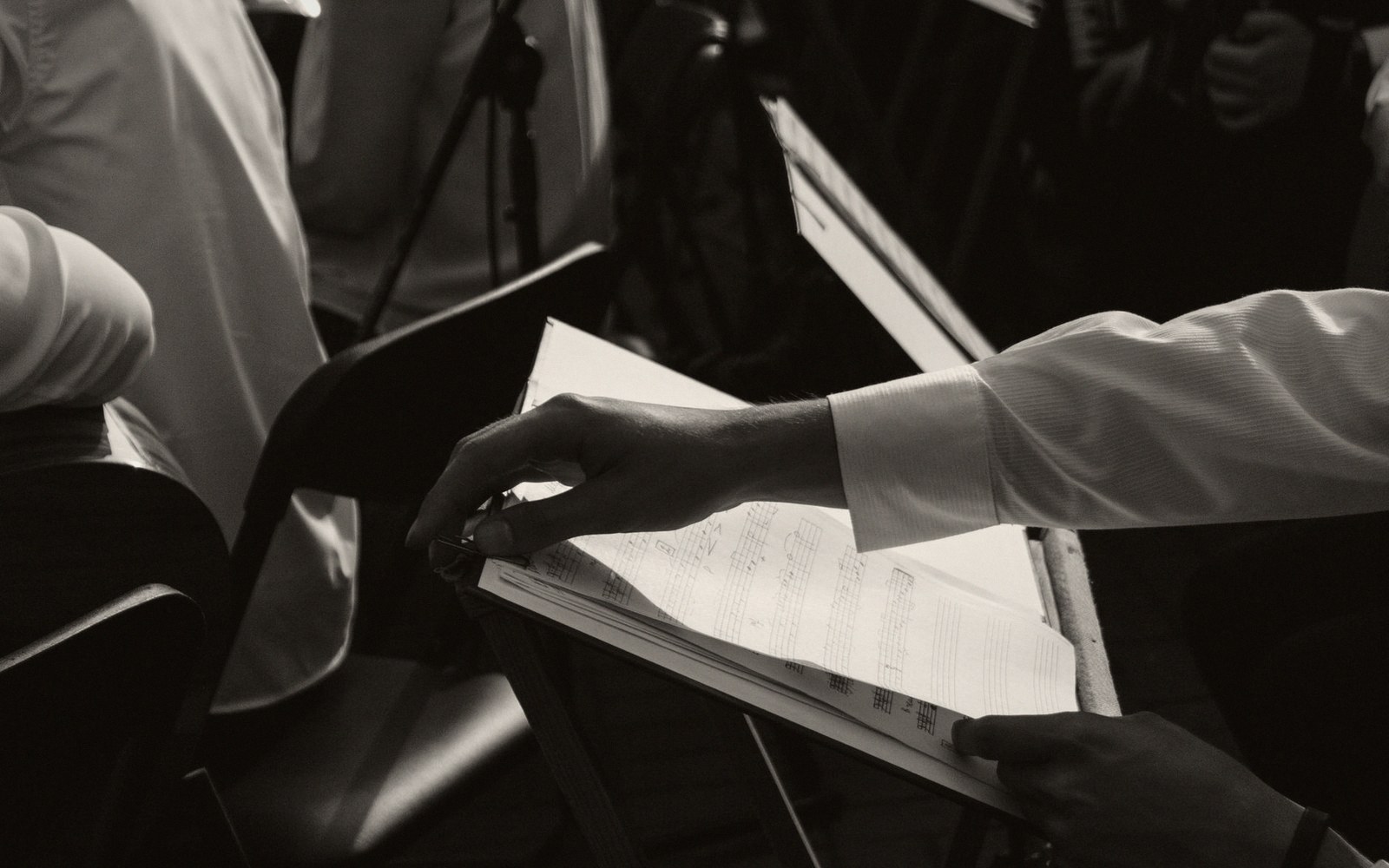
A full orchestral score open on a conductor's stand, pencil annotations visible in the margins, pit lighting from below

The categories also give a working vocabulary shared across houses. A conductor in Vienna and an agent in Hamburg know what "jugendlich-dramatisch" (young dramatic) means: a voice moving toward full dramatic weight but not yet there, suited to Elsa in Lohengrin or Sieglinde in Die Walküre rather than Isolde or Brünnhilde. This shared vocabulary is genuinely useful. Without it, every negotiation would require lengthy audition notes and guesswork.

Where the system becomes a trap is at the borders. Voices develop — sometimes toward heavier repertoire, sometimes not as far as expected. A mezzo categorised as a Spielalt (character mezzo, comic or character roles) may have the resources for Amneris in Aida but find her contract language walls her out of it. Conversely, a dramatic soprano who has moved too fast into Brünnhilde and finds the voice thinning is unlikely to move back into the jugendlich-dramatisch work that might have suited her for another decade. The distinction between lyric and dramatic is not just theoretical preference; it is where Fach decisions have lasting physical consequences.

The system is also German in ways that don't export neatly. Italian houses and Anglo-American companies have never formalised it to the same degree. Outside Germany and Austria, the categories are used as shorthand between professionals rather than enforced through contracts. In practice, even within the German system, the categories flex at the margins. They describe tendencies, not physics. What the Fach system cannot do — and was never designed to do — is replace the judgment of a teacher, a conductor, or the singer themselves about what a voice actually is on a given day.

Related in Voices

Filed under Voices.