SOUNDS AND FURY An independent publication about opera
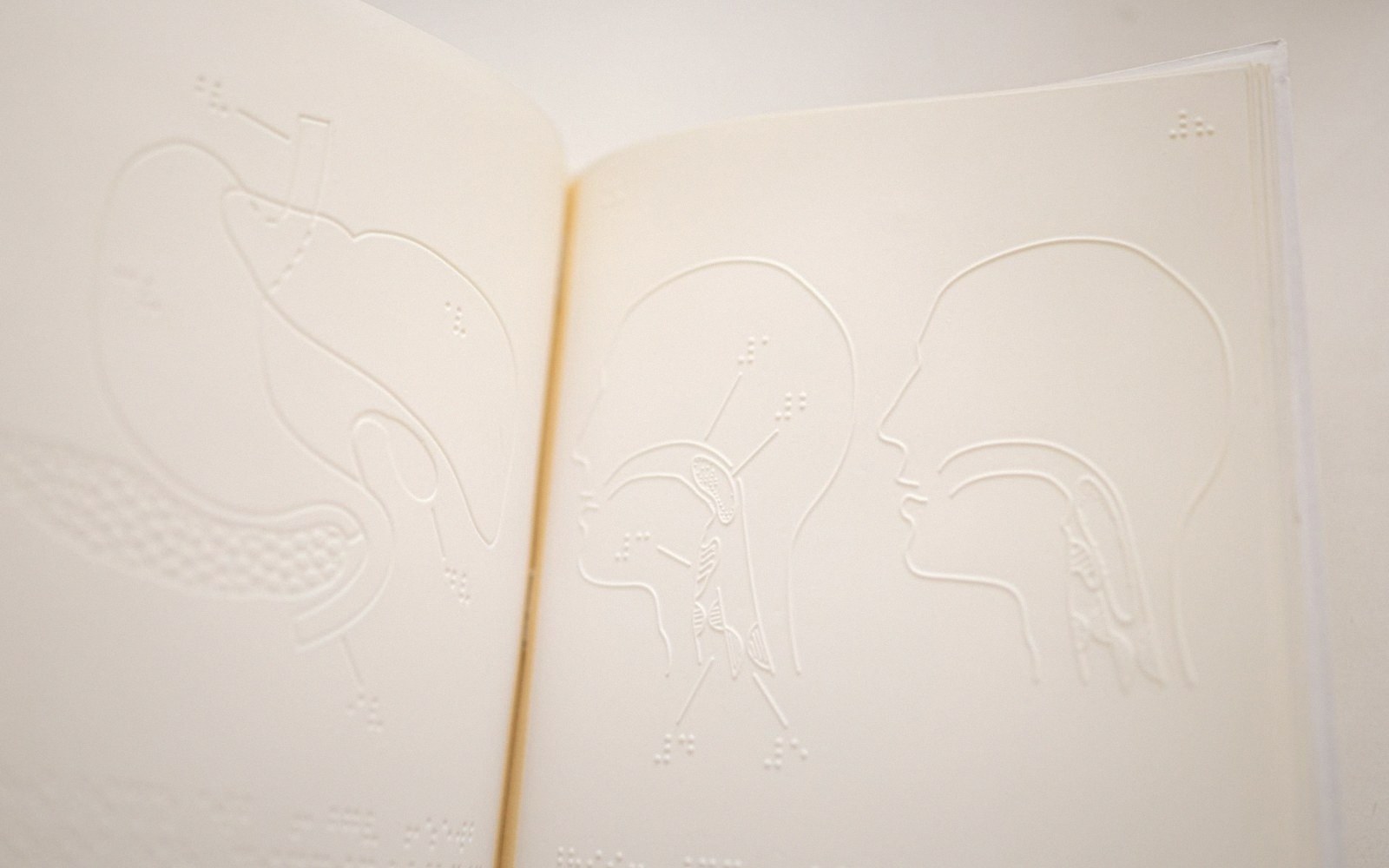
Embossed tactile diagrams of a stomach and human head profiles with braille labels in a book

Voices · 2 min read

Bel Canto Against Verismo: A Physical Argument

Photo: Yan Krukau / Pexels

Two schools. One body. The repertoire decides which wins.

What Each Technique Demands

Bel canto — literally "beautiful singing," the cultivated Italian tradition codified by Rossini, Bellini, and Donizetti — asks the voice to move. Legato (smooth, unbroken line), messa di voce (the controlled swell and diminuendo on a single held note), and florid ornamentation demand that the larynx sit low and stable, the breath column stay even, and the resonance remain consistent across registers. The mechanics are those of fine motor control: calibrated pressure, minimal muscular interference, a throat that stays open and uninvolved. You are asking the instrument to do intricate things quietly.

Verismo — the late-nineteenth-century school of operatic realism, whose home composers are Puccini, Mascagni, and Leoncavallo — asks the voice to push. Dramatic situations call for raw color and sudden dynamic contrast. The tenor in Pagliacci does not ornament his pain; he exposes it. This means higher sub-glottal pressure, heavier chest register carried further up the scale, and a tolerance for deliberate tonal roughness. The mechanics are those of gross motor force: the kind of muscular engagement that moves large amounts of air quickly.
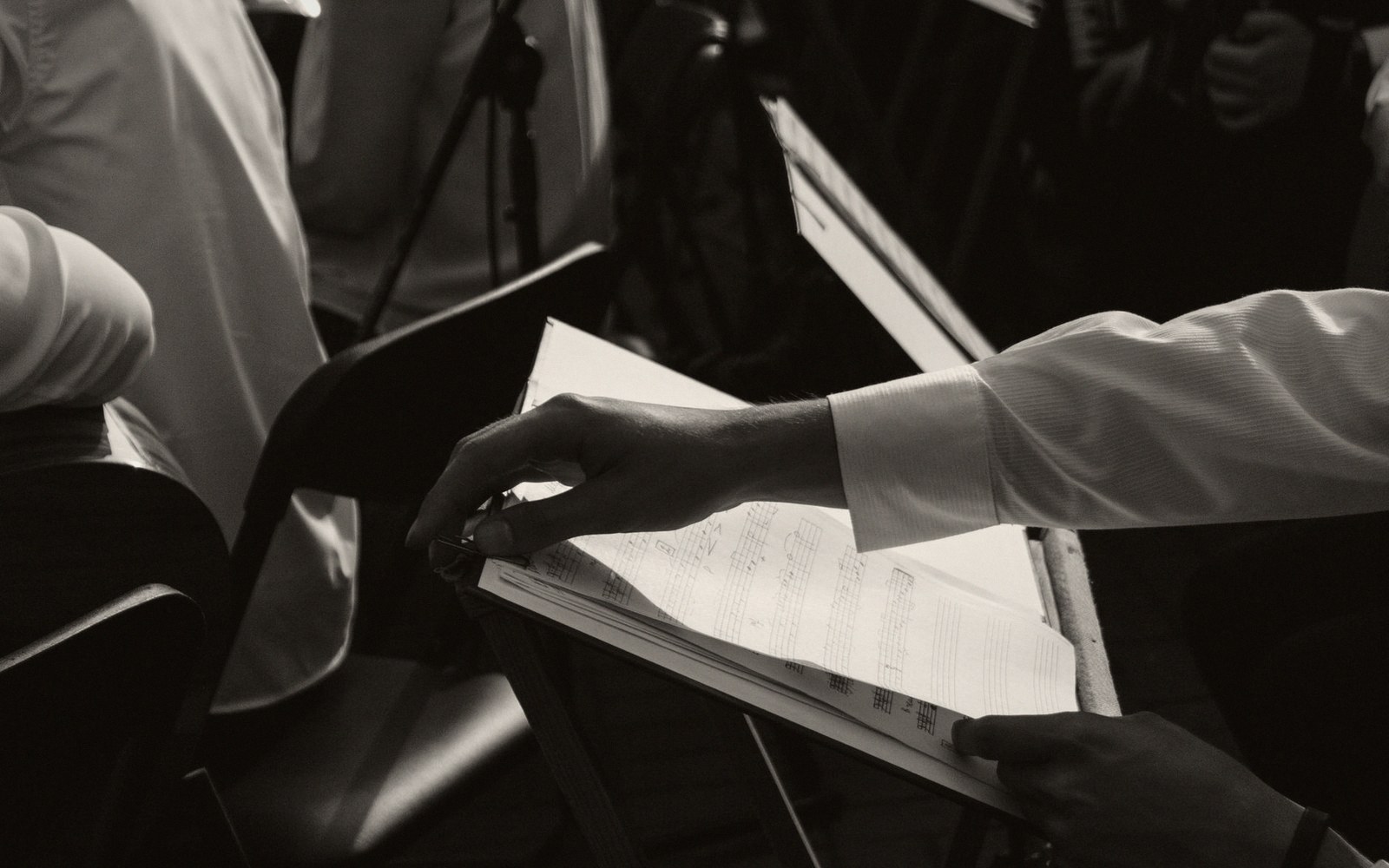
A full orchestral score open on a conductor's stand, pencil annotations visible in the margins, pit lighting from below

These are not preferences. They are physical opposites. A singer who habituates the pressed, chest-dominant production of verismo and then attempts Bellini's legato finds the vocal folds unwilling to thin and lengthen without strain. Run it the other direction — a bel canto specialist pushed into repeated Puccini cycles — and the controlled, lightly produced instrument loses its edge, or worse, compensates by squeezing, which injures.

The Fach system exists partly because houses learned this distinction the expensive way: voices worn out too young, careers ended by wrong repertoire. A lirico spinto (literally "pushed lyric") soprano sits at the border between the two worlds, which is precisely why that voice type requires careful management rather than availability.

Conductors and teachers argue about borderline works — early Verdi, late Donizetti — but the physics does not. Smooth legato and raw intensity are not points on a spectrum. They are different tasks, and the body keeps the score.

Related in Voices

Filed under Voices.